Route: Global Talent – Digital Technology | Exceptional Talent
Stage 1: Endorsement
Professional Experience: Approximately 8 years in Solutions Architecture / Cloud / Digital Technology
Hi everyone,
I am preparing my application for the UK Global Talent – Digital Technology route under Exceptional Talent, and I would really appreciate an independent assessment of the overall strength of my profile, proposed evidence and recommendation-letter strategy.
I am applying specifically for Exceptional Talent, not Exceptional Promise.
Professional Background / Career Trajectory
I have approximately 8 years of experience in Solutions Architecture, Cloud and related digital-technology roles.
My professional experience has involved designing and delivering cloud and digital solutions, solution architecture, cloud infrastructure, technical pre-sales, DevOps and working directly with organisations to translate business requirements into technical solutions.
My technical experience includes AWS, GCP, cloud architecture, infrastructure, backend systems, CI/CD, containerisation, Kubernetes, infrastructure as code, security, observability and related cloud-native technologies.
In addition to my primary professional career, I have built a substantial body of work outside my normal occupation through digital-product development, open-source contributions, technical speaking, publications, mentoring, technical reviewing and technology education.
Mandatory:Criterion Recognition as a Leader in Digital Technology
My proposed evidence includes a combination of my professional progression and independent external recognition.
This includes:
- Approximately eight years of professional experience in Solutions Architecture/Cloud/Digital Technology.
- Senior-level Solutions Architecture and technical consulting responsibilities.
- Technical contributions to independently operated digital products.
- Contributions to recognised open-source/cloud-native projects, including projects within the OpenTelemetry and Apache ecosystems.
- Invitations to speak at technology conferences and community events about cloud architecture, DevOps, secure CI/CD and production AI.
- Technical publications on cloud architecture, AI and related technology subjects, with measurable readership.
- Independent invitations to undertake technical judging, manuscript/proposal reviewing and mentoring.
- Delivery of a multi-week Cloud Foundations programme supporting people entering technology.
My intention is to demonstrate not simply longevity in the industry, but progression from delivering technology to being independently recognised for my technical expertise, judgement and contribution to the wider technology ecosystem.
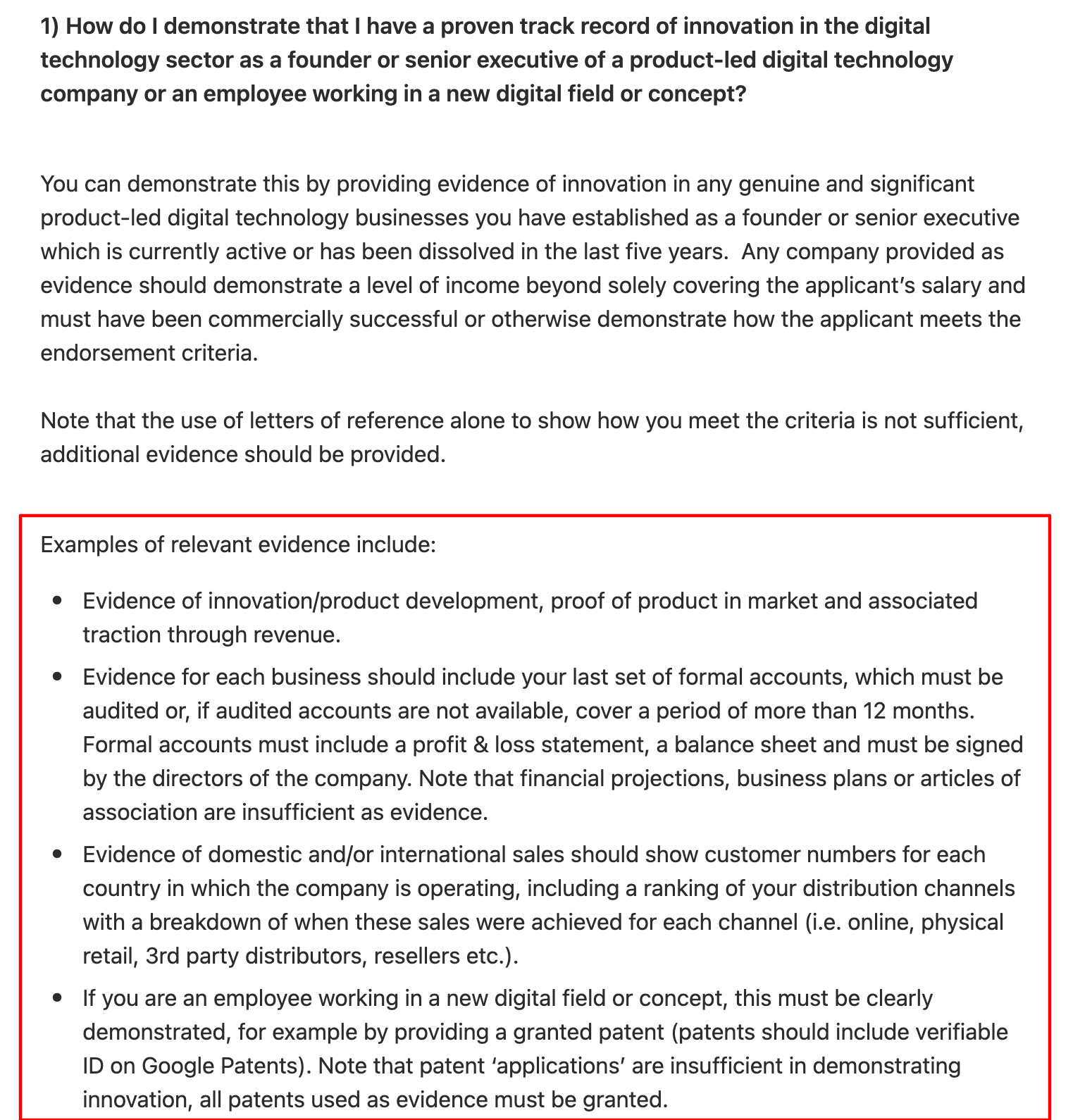
OC: Innovation / Digital Product Engineering
Outside my primary employment, I have made substantial technical contributions to independently founded digital products.
For one digital product, my responsibilities have included:
- Google Cloud architecture and production infrastructure.
- Backend engineering.
- AI-enabled image/content safety.
- Evaluation of AI technologies for production use.
- Stripe Connect payment and referral architecture.
- Subscription-system integration.
- CI/CD and deployment.
- Cloud security and governance.
- Database/Redis architecture and data persistence.
- Technical cost optimisation.
- Technical guidance to the founder and development team.
I have taken product requirements directly from the founder, translated them into technical architecture and implementation, identified technical and operational risks, built and tested solutions and deployed functionality into working environments.
The founder has directly acknowledged that my work has saved the organisation significant time and added substantial value to the product.
Evidence includes GitHub contributions/PRs, technical correspondence, architecture and deployment evidence, implementation records and independent confirmation from the product founder.
Additional Digital Product / Software Engineering Contribution
I also contribute substantially to a second independently operated digital platform.
My responsibilities include backend software engineering, implementing my own pull requests, reviewing other developers’ code, identifying technical blockers, assessing whether PRs are ready to merge, resolving data-integrity issues, adding regression tests and translating product requirements into actionable development tasks.
The founder regularly seeks my technical judgement before proceeding with development decisions and asks me to assess work submitted by other developers.
Evidence includes GitHub PRs, code reviews, contribution history, development tasks and direct correspondence demonstrating my technical responsibility and the founder’s reliance on my engineering judgement.
OC2: Recognition Beyond My Main Occupation
My proposed OC2 evidence is based on activities undertaken beyond my normal professional employment.
These include:
- Invited/accepted technical conference speaking.
- Technical presentations on cloud, DevOps, CI/CD and AI.
- Technical publications with measurable readership and external visibility.
- Contributions to established open-source technology projects.
- Technical judging/reviewing activities.
- Technical mentoring.
- Delivery of an eight-week Cloud Foundations programme.
- Wider community knowledge-sharing activities.
Evidence includes conference programmes and invitations, published recordings where available, publication analytics, GitHub records, maintainer interactions, judging/reviewer invitations, programme materials and independent correspondence.
Recommendation Letters: Main Area Where I Need Advice
This is the part of my application on which I would particularly appreciate feedback.
Two of the individuals I am considering as recommenders are founders/owners of digital products that I have personally worked on and helped build.
However, both founders also have separate professional careers that are publicly visible.
Recommender A
One recommender is a lawyer by professional background, but he is also the founder/leader of a digital product/platform on which I have worked extensively.
I do not know him through his legal profession.
Our professional relationship exists because I work on his digital product.
He has first-hand knowledge of my software-engineering work, backend development, technical reviews, PRs, assessment of other developers’ code and technical decision-making on the platform.
He regularly asks for my technical assessment and recommendations regarding development work.
Recommender B
The second recommender has a professional career as a civil servant, but he is also the founder/owner of another digital product that I have worked on extensively.
Again, I do not know him through his Civil Service career.
I know him because I work directly on his digital product.
He has personally observed my cloud architecture, backend engineering, AI implementation/evaluation, payment architecture, subscription integrations, CI/CD, cloud governance, security and other technical work.
He provides product/business requirements, and I translate those requirements into technical architecture and implementation. He also regularly relies on my technical recommendations regarding the product.
Both individuals publicly identify their other professions and their founder/product roles. Their LinkedIn/public profiles therefore show their broader careers as well as their involvement in their respective digital products.
My Questions About the Recommenders
I would particularly appreciate views from people who have successfully gone through the Digital Technology endorsement process:
1. Can the founder/owner of a genuine digital product be considered an established expert in the digital-technology sector for recommendation purposes even where their separate/main professional career is in another field?
For example, would the fact that one is also a lawyer and another is also a civil servant create an issue, even though my professional relationship with each of them exists entirely through the digital products they founded/lead?
2. Is the relevant consideration the capacity in which the recommender knows and evaluates the applicant?
In my situation, neither would be assessing work unrelated to technology. They would be recommending me specifically based on substantial first-hand knowledge of the technical work I performed on their respective digital products.
3. How is a “well-established individual acknowledged as an expert in digital technology” assessed when the recommender is a digital-product founder rather than a CTO/software engineer?
Does substantial experience founding, developing, overseeing and bringing a genuine digital product forward constitute relevant digital-industry/product expertise, or is the expectation normally that recommenders themselves have conventional technical job titles?
4. Has anyone successfully used a digital-product/startup founder as one of their three recommenders where that founder also had a separate non-technical professional career?
I would be particularly interested in real examples.
5. Regarding evidence of the recommender’s credentials, has anyone successfully submitted a detailed LinkedIn/public professional profile or other public evidence instead of the recommender’s private CV?
I understand that recommenders may be asked to provide evidence of their credentials, but not every senior professional is comfortable sharing a private CV. Both individuals have publicly available professional profiles showing their career histories and founder/product roles.
6. Would it strengthen the recommendation if the letter first establishes the recommender’s experience founding/leading the digital product and then provides specific examples of the applicant’s technical work that they personally observed?
I want the letters to demonstrate substance rather than simply relying on a title such as “Founder.”
Overall Exceptional Talent Assessment
Finally, I would appreciate candid feedback on the strength of the overall profile specifically for Exceptional Talent.
Given approximately eight years of Solutions Architecture/Cloud/Digital Technology experience, together with professional progression, substantial technical product contributions, open-source contributions, conference speaking, technical publications, community teaching/mentoring and independent technical recognition:
Does this appear to be developing into a credible Exceptional Talent case rather than Exceptional Promise?
I would particularly appreciate feedback on:
- Strength of the Mandatory Criterion for Exceptional Talent.
- Whether the evidence demonstrates recognition as a leader, rather than primarily future leadership potential.
- Strength of my proposed optional criteria.
- Whether my product-engineering evidence demonstrates sufficient individual impact.
- Whether my external speaking, publications and open-source contributions provide strong enough independent recognition.
- Whether the proposed recommenders’ digital-product founder credentials appear suitable.
- Any weaknesses that should be addressed before submission.
I would really appreciate candid feedback from successful Global Talent applicants or people familiar with Digital Technology endorsements.
Thank you.