You know what’s really worrying? The number of Tech Nation endorsement rejections I’ve been seeing lately.
This isn’t a “10 reasons your application got rejected” kind of post. It’s not to shame anyone or point fingers. It’s to encourage you, whether you’re applying for the first time or trying again after a rejection and to help you do this better, with clearer understanding and stronger evidence.
My name is Raphael. I’m a Tech Nation endorsed product leader, and over time I’ve supported and guided many successful applicants through their endorsement journey. From what I’ve seen in the past few months, there are a few common patterns that keep showing up in rejected applications.
I’m not saying these are the only reasons Tech Nation rejects people, but these are things that sit within the applicant’s control areas you can improve to increase your chances.
1. Misunderstanding the Tech Nation guidance
Roughly 2 out of 10 applicants I speak with don’t truly understand the guidance. Instead of reading it carefully and then gathering evidence that fits, they try to bend the guidance to match whatever evidence they already have, what they saw a friend used or using an example from the guidance without context.
I think, It should be the other way round: You read the guidance → you understand what is being asked → you present evidence that clearly meets that requirement.
Example:
An applicant trained journalists to use an auto‑posting tool that helps them publish news across multiple platforms from one dashboard. That’s useful and valuable, but it’s not something that advances the mainstream tech sector. It’s more about improving journalism workflows using technology.
What often happens is that the applicant then tries to explain why this fits (OC2), saying things like: “I built the platform, I trained people for free, so it should count.”
But for OC2, no matter how noble or helpful the work is, if it doesn’t clearly advance the mainstream digital technology sector, it’s unlikely to meet the requirement.
This is just one example, but the point is simple: Don’t force your evidence to fit the guidance. Instead, build or select evidence that genuinely aligns with what Tech Nation is asking for.
2. Saying too much, showing too little
Another common issue: applicants write long stories but provide weak or unclear evidence.
Tech Nation assessors, I believe are not scoring your storytelling skills. They are looking for clear, well‑aligned evidence that proves you did what you claim, and that it meets the criteria.
What many applicants do is:
-
Write long paragraphs explaining and describing the evidence
-
Attach tiny, blurry screenshots that are hard to read
-
Hope the assessor will “get the point” from the explanation
The better approach is:
-
Use short, coherent descriptions
-
Clearly state:
-
What the recognition is
-
What you did
-
What the impact was
-
-
Attach clear, readable images and external links that back up your claims
Example of what usually happens with a Youtube channel
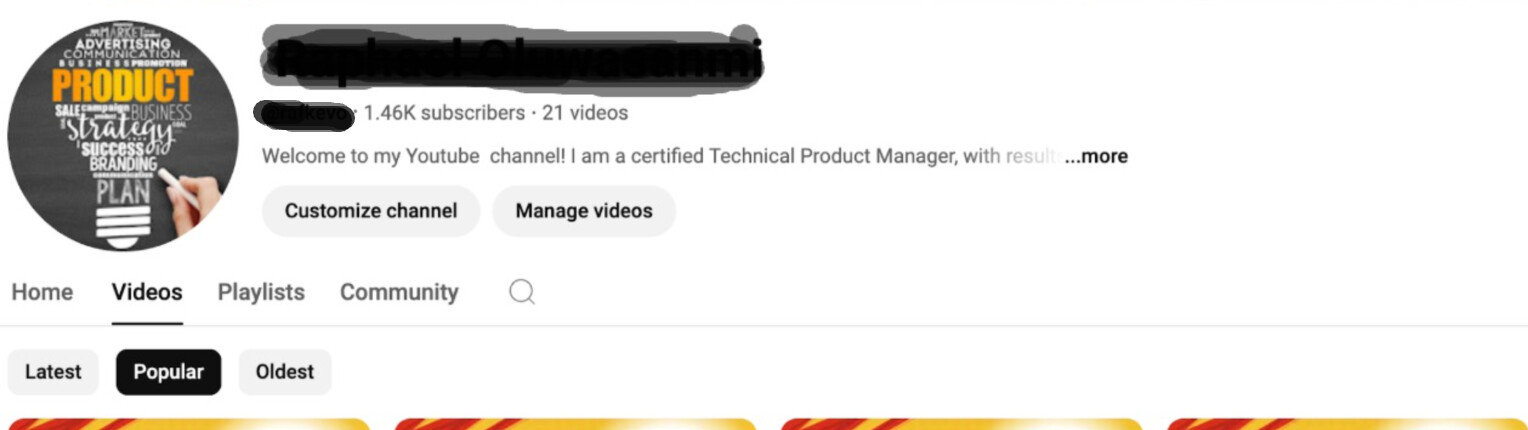
This evidence demonstrates my independent professional recognition through the creation and sustained growth of an educational YouTube channel dedicated to empowering product managers and technology professionals.
The channel, Stack4Product, has attracted over 1.46K subscribers and more than 33,000 total views, reflecting consistent engagement and recognition from a global audience of learners and practitioners. Through this platform, I provide expert advice, practical tutorials, and free resources on product management, Agile project management, and HP Life Foundation certifications.About the Channel
The channel was established to bridge the gap between theory and practice in digital product development. As an HP Life Ambassador, I guide professionals to secure HP Life Foundation certifications and apply Agile methodologies to real‑world product challenges. My content includes structured learning videos such as Free Product Management Certifications & Key Differences, Introduction to Agile, and How to Build an Android & iOS Mobile App Without Writing a Single Line of Code, each designed to help viewers gain practical skills and career‑relevant knowledge.Recognition and Impact
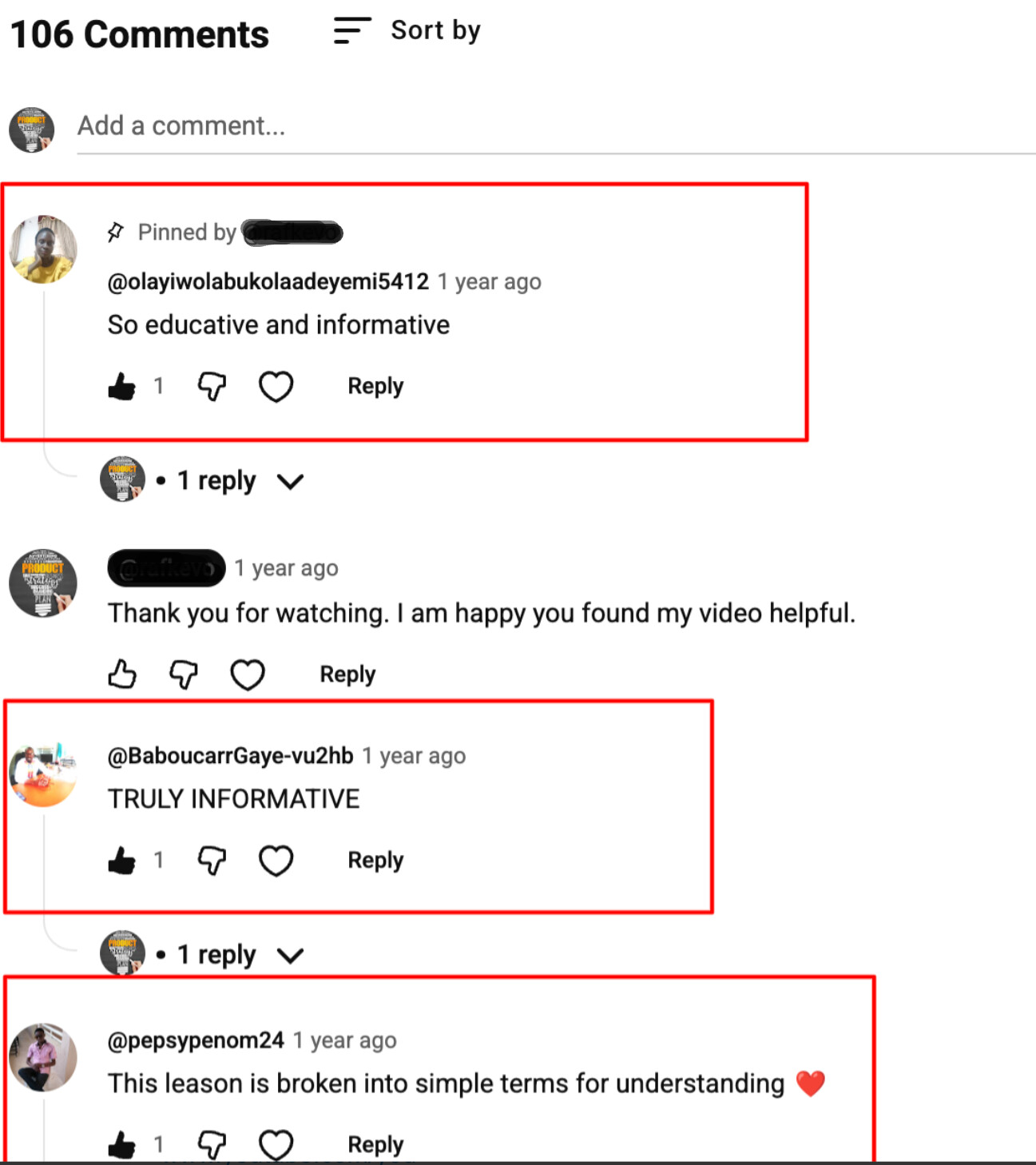
The channel’s reach and sustained engagement demonstrate independent recognition beyond my professional employment. The growing subscriber base and thousands of views per video show measurable influence within the digital technology education space. The inclusion of interviews, such as my feature on Bradford Community Broadcasting (BCB 106.6FM), further evidences external acknowledgment of my expertise and contribution to technology‑driven learning.Supporting Evidence
The attached screenshot confirms the channel’s metrics, content diversity, and educational focus. It visually substantiates my role as a certified Technical Product Manager who actively contributes to the professional development of others through accessible, high‑impact digital learning resources.
Now, imagine an assessor reading something like this for 10 different pieces of evidence. Even if they’re patient, the key points can easily get lost in the volume of text.
What it should look like
Advancing the Sector Through Expert Knowledge Sharing — My YouTube Channel
I run a YouTube channel with over 2.46K subscribers, more than 40,215 views, and over 800 comments, mostly from professionals seeking guidance. On the channel, I share expert advice, practical tips, and free courses and resources. As an HP Life Ambassador, I support learners in earning HP Life Foundation certifications, helping them strengthen their skills in product development through Agile Project Methodology.
Kindly find the link for verification
www.youtube.com/you
The second presentation is short, clear, and focused. The assessor can see the recognition, the work, and the impact at a glance and the attached evidence is clear and backs it up. But what I see is applicants using up too much space to describe the evidence and shrink the evidence that validate that claim.
Please note that the screenshots and their details are shared purely for informational purposes. They are not intended as examples or suggestions of evidence that Tech Nation may accept.
3. Misleading or incomplete advice from consultants
This one is painful.
I often speak with applicants who say things like:
-
“I paid X, Y, Z to review my application.”
-
“They told me my evidence was strong and coherent.”
-
“They said I was good to submit.”
Then the application gets rejected. Some people even cry on calls, not just because of the money they spent, but because of the time they’ve lost and the pressure of their current situation.
This is why platforms like tnvisaforum.org exist: so you can read other people’s experiences and ask questions from alumni. These spaces are useful, but you must remember:
-
The advice shared here is personal opinion, not professional or official guidance.
-
You still need to do your own due diligence.
-
You must be careful whose advice you follow.
Anything worth doing is worth doing well. Take the time to:
-
Understand the Tech Nation guidance properly
-
Build evidence that clearly aligns with the criteria
-
Check that your recognition, impact, and role are obvious from the documents you submit
That effort can significantly increase your chances of getting endorsed.
Final thought
If you’ve been rejected before, it doesn’t mean you’re not good enough. If you are about to apply, it’s not easy, but it’s very possible.
I strongly suggest you read the guidance carefully. Align your evidence properly. Keep your explanations short and clear. And be intentional about whose advice you trust and take.
It’s not over until you win.
All the best.